AWS — Unifying a Global Cloud Brand

AWS


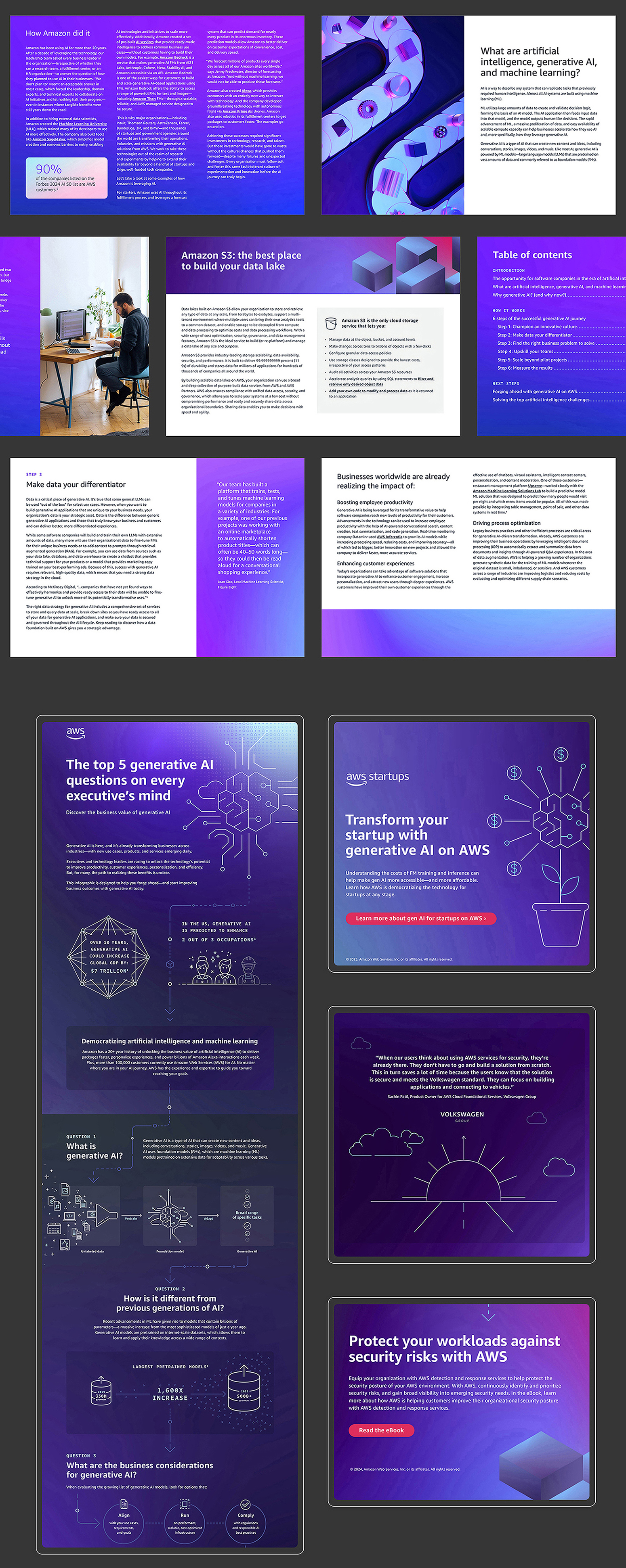
With numerous distinct departments, each handling different facets of cloud computing, security, and data storage, AWS needed a high volume of infographics to communicate their specific metrics and processes. The primary challenge was preventing a disjointed visual identity; creating these assets in departmental silos risked a fragmented brand presence. Furthermore, individual departments lacked the foundational design assets to build their own materials efficiently, creating a constant bottleneck and slowing down production.
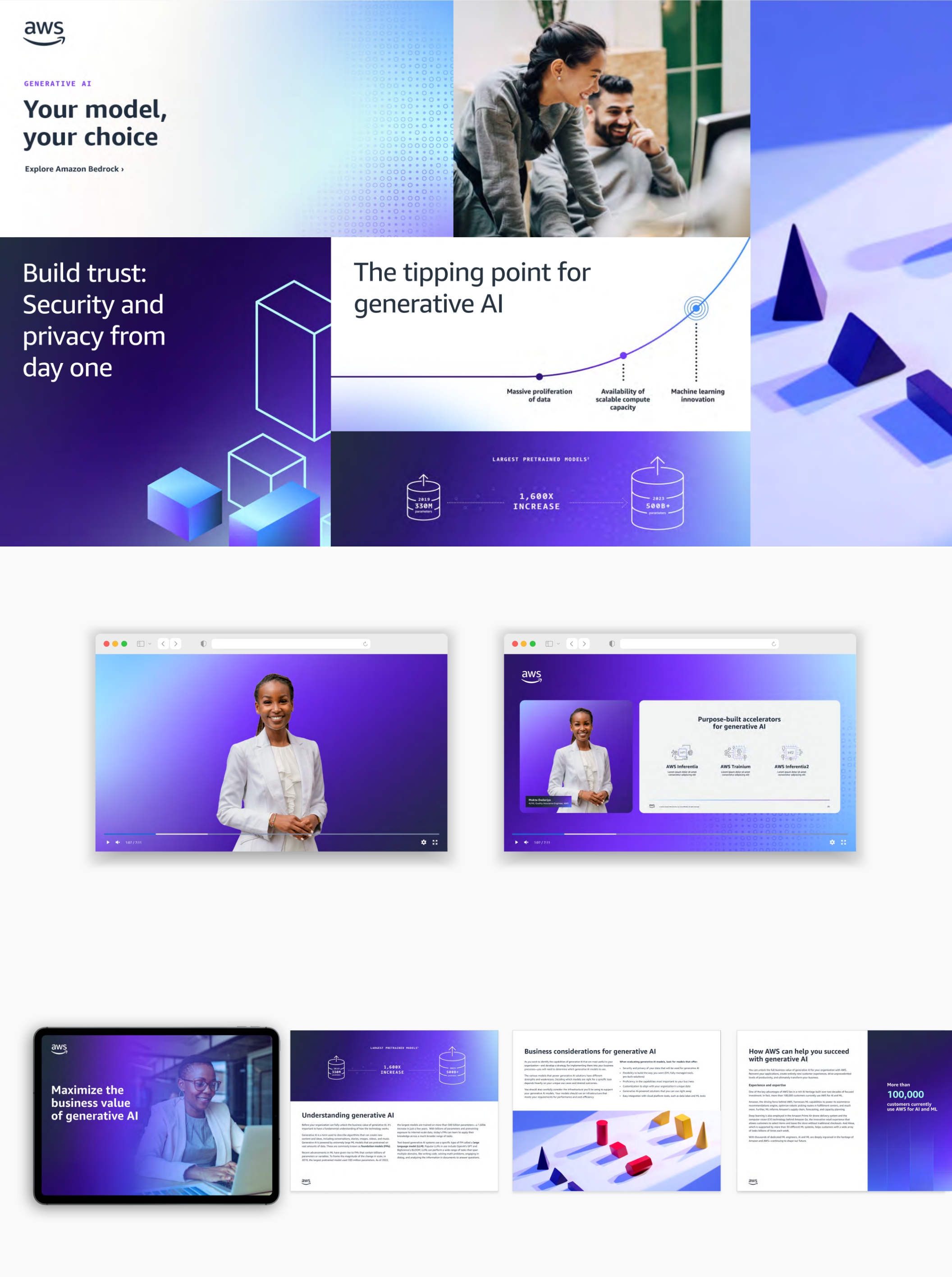

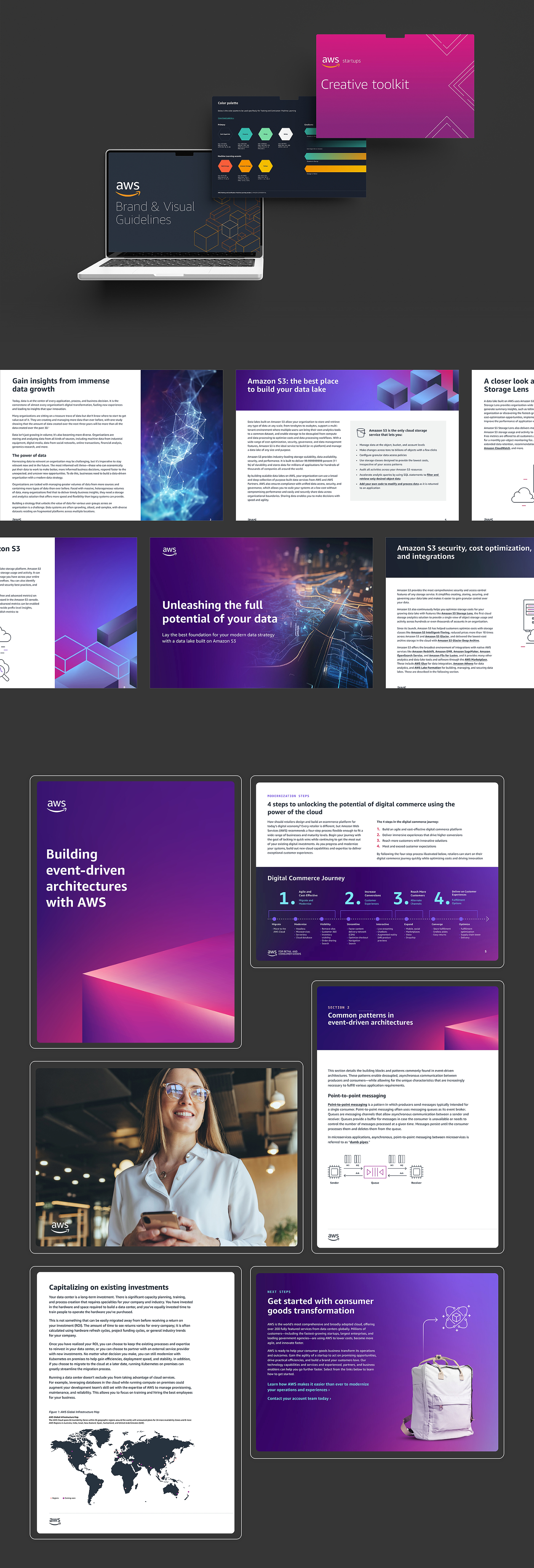
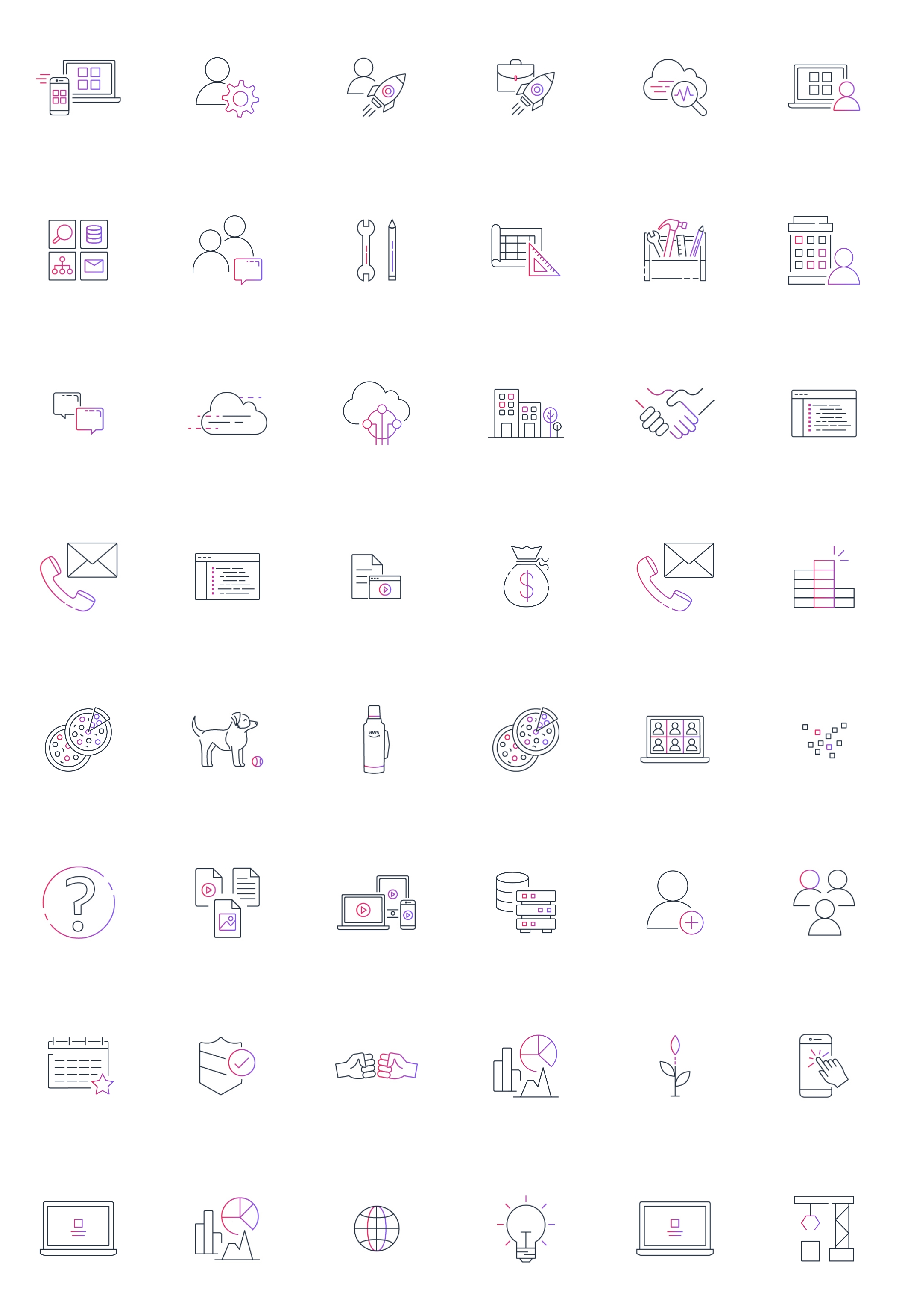
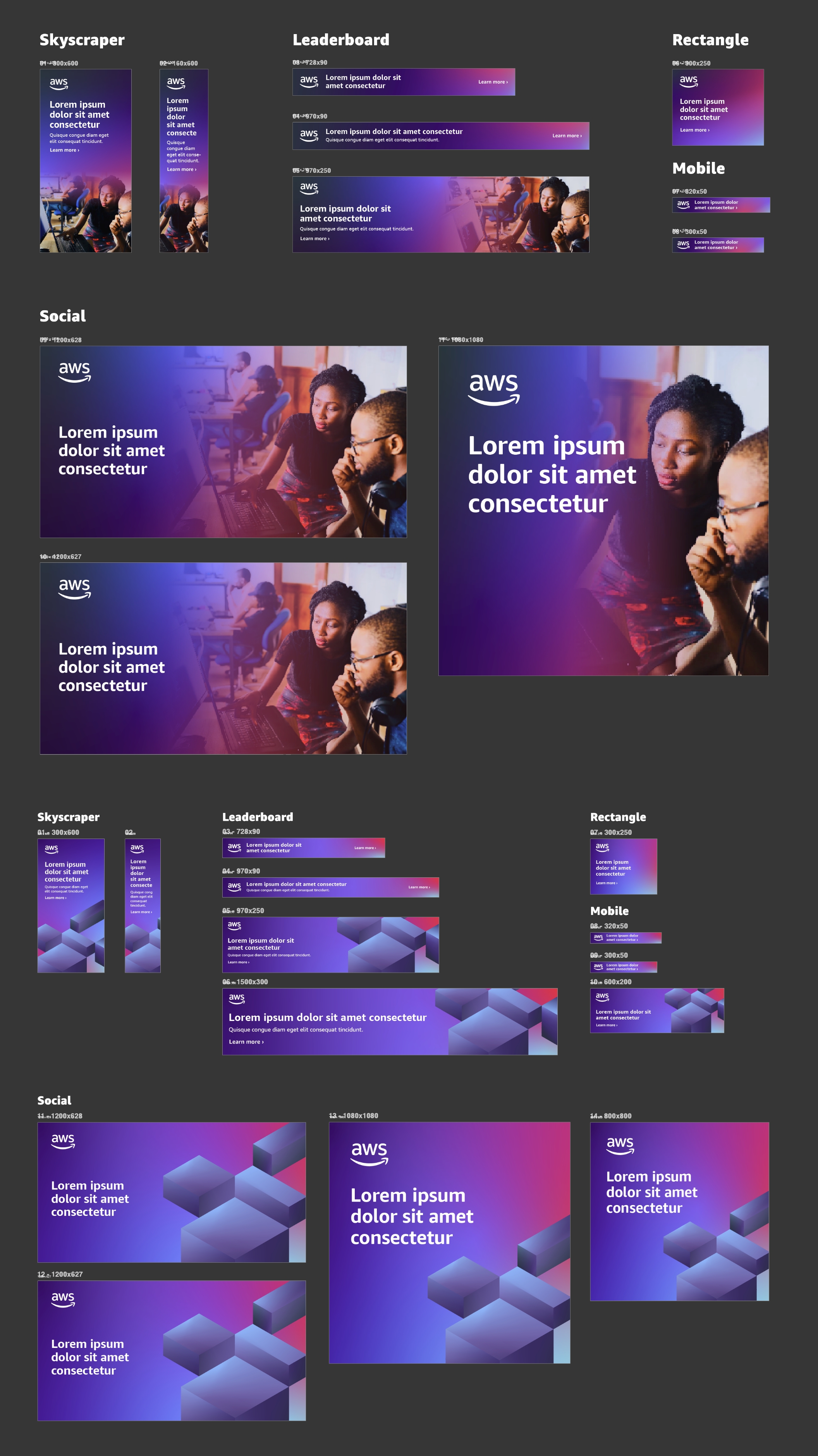
Instead of simply designing one-off infographics to patch the problem, I took a systems-thinking approach. I first developed comprehensive, branded creative toolkits tailored specifically for the various departments. These toolkits established a unified visual language—locking in standardized typography, color palettes, data visualization rules, and custom iconography. With these robust foundational kits in place, I then utilized them to design and execute the massive scope of infographics required. This step-by-step approach ensured that no matter how complex the data was, it could be visualized efficiently and beautifully.
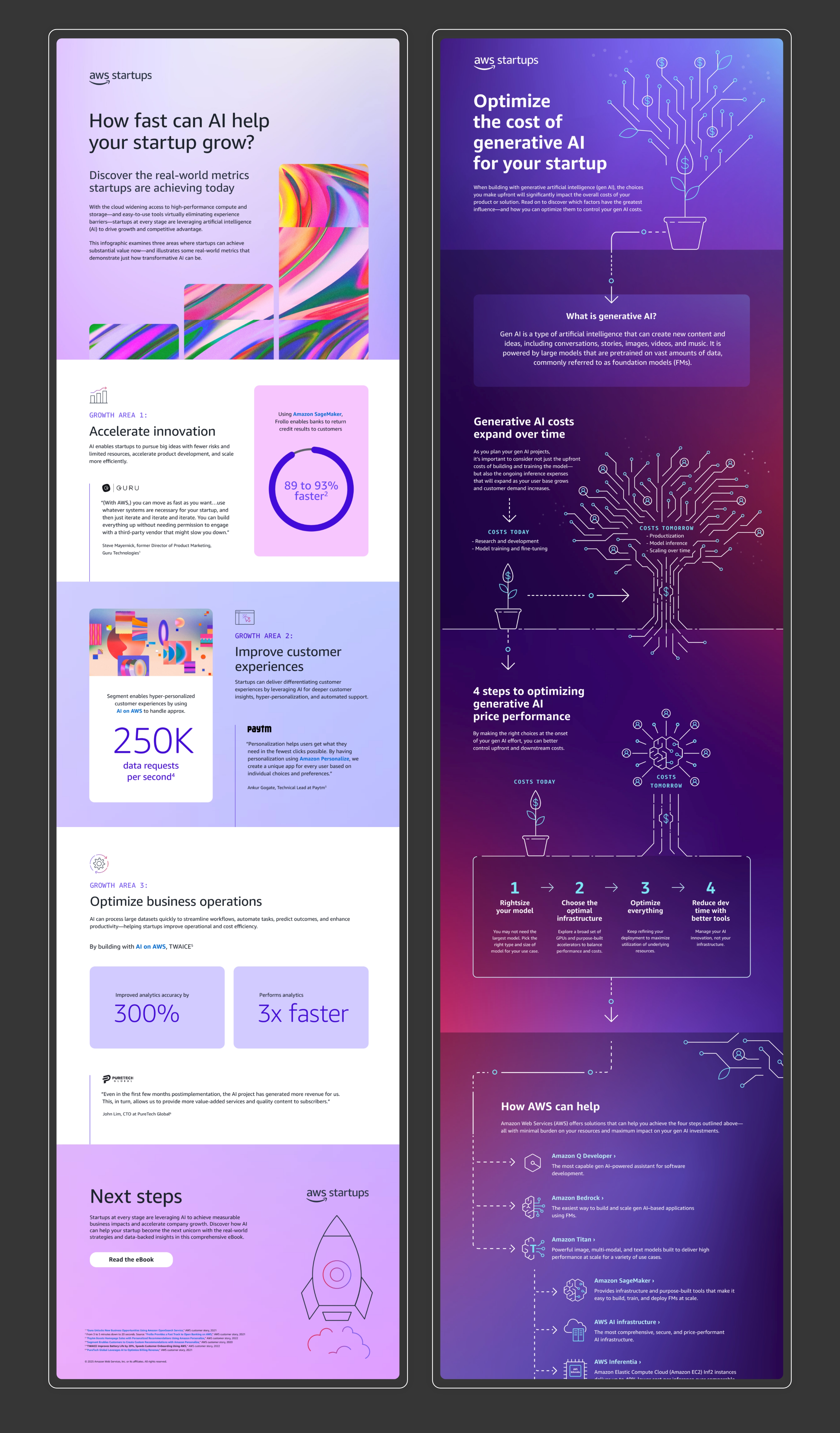
I successfully bridged the gap between the client's high-volume needs and their strict brand standards. The project unified the visual output across multiple AWS departments, ensuring complete brand consistency and eliminating visual fragmentation. Utilizing the new system to build the infographics drastically reduced the bottleneck on the core design team and streamlined overall production. Ultimately, the established templates and asset libraries significantly cut down turnaround times for the initial deliverables and set up a highly scalable design workflow for all future requests.